Lettuce Safety: How to Protect Yourself from Foodborne Illnesses
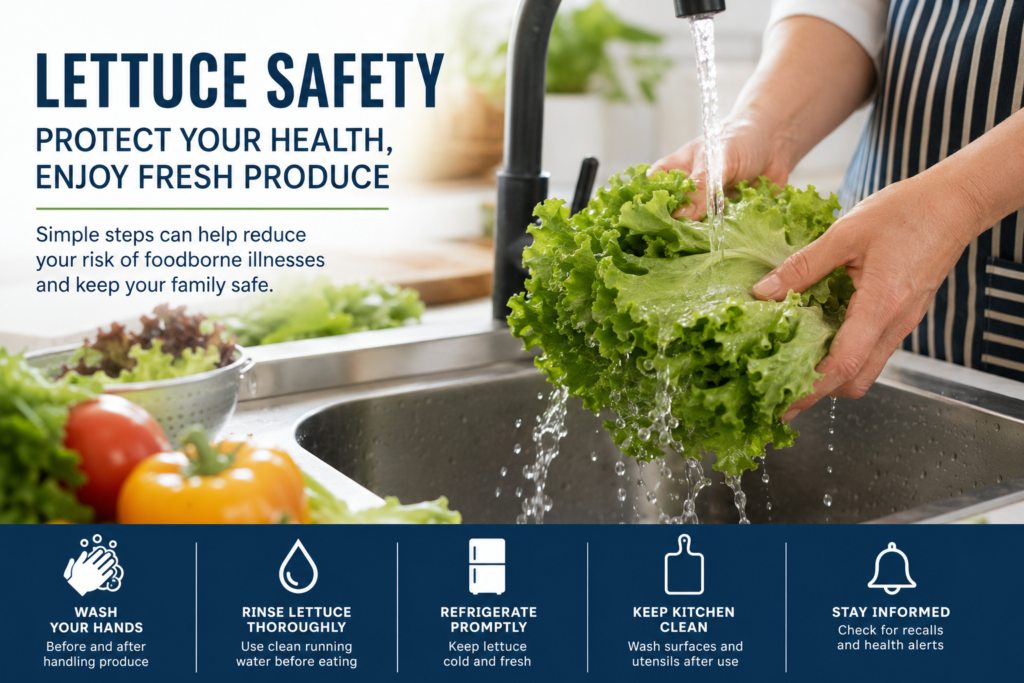
Fresh lettuce is an important part of a healthy diet, but like many fresh produce items, it can occasionally become contaminated with harmful bacteria or other pathogens. Public health agencies sometimes investigate outbreaks associated with leafy greens, making it important to know how to reduce your risk and recognize the signs of foodborne illness.
At Urgent Care of Coastal Georgia, we believe that prevention starts with education. Here are practical steps you can take to help keep yourself and your family safe.
Why Can Lettuce Become Contaminated?
Because lettuce is often eaten raw, it does not go through the cooking process that normally kills harmful bacteria. Contamination can occur during:
- Growing and harvesting
- Processing and packaging
- Transportation
- Food preparation
Bacteria such as E. coli, Salmonella, and Listeria have all been linked to occasional produce outbreaks.
How to Reduce Your Risk
You can lower your chances of getting sick by following these food safety practices:
Wash Your Hands
Always wash your hands with soap and water for at least 20 seconds before and after handling fresh produce.
Rinse Lettuce Thoroughly
Even pre-washed lettuce can benefit from a gentle rinse under clean running water. Avoid using soap, bleach, or chemical cleaners on produce.
Keep Your Kitchen Clean
Wash cutting boards, knives, countertops, and salad spinners after each use to prevent cross-contamination.
Refrigerate Promptly
Store lettuce in the refrigerator and avoid leaving it at room temperature for extended periods.
Stay Updated on Food Recalls
Pay attention to recalls issued by health authorities. If a recalled lettuce product is in your home, throw it away immediately—even if it looks fresh.
Symptoms of Foodborne Illness
Symptoms usually begin within a few hours to several days after eating contaminated food and may include:
- Diarrhea
- Stomach cramps
- Nausea
- Vomiting
- Fever
- Fatigue
- Dehydration
While many people recover on their own, some individuals can become seriously ill.
Who Is Most at Risk?
Certain groups are more likely to develop severe complications, including:
- Young children
- Adults over 65
- Pregnant women
- People with weakened immune systems
- Individuals with chronic medical conditions
These individuals should seek medical attention sooner if symptoms develop.
When Should You Visit Urgent Care?
Seek medical evaluation if you experience:
- Severe or persistent diarrhea
- Bloody stools
- High fever
- Repeated vomiting
- Signs of dehydration, such as dizziness, dry mouth, or decreased urination
- Symptoms lasting more than a few days
Prompt treatment can help prevent complications and ensure proper recovery.
We’re Here When You Need Us
If you or a family member develops symptoms of foodborne illness, Urgent Care of Coastal Georgia is here to provide prompt evaluation and treatment. Our experienced medical team can assess your symptoms, recommend appropriate care, and help you recover safely.
Taking a few simple precautions when preparing fresh produce can significantly reduce your risk of illness while allowing you to continue enjoying healthy foods as part of your daily diet.